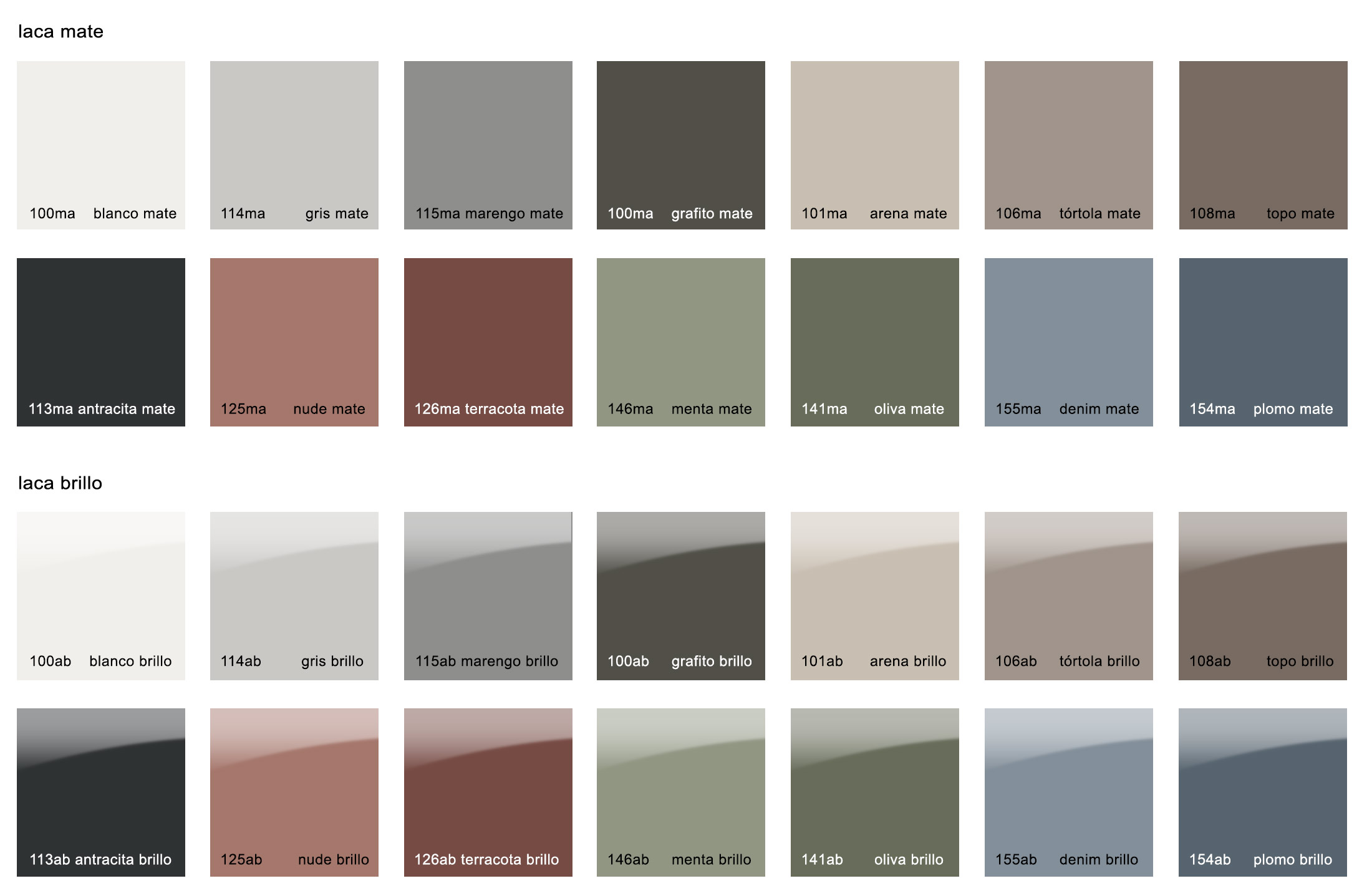
Materials
Woods
Cleaning and conservation
In general, for all materials (wood, lacquers) the following cleaning method is recommended:
- All components should be cleaned with products that do not affect their protection and color, so products containing silicones should not be used.
- Simply prepare a small container with warm water mixed with 20% ammonia, take a clean, damp cloth, wipe the surface with this cloth, and then dry it with another clean, dry cloth.
Laquers
Cleaning and conservation
In general, for all materials (wood, lacquers) the following cleaning method is recommended:
- All components should be cleaned with products that do not affect their protection and color, so products containing silicones should not be used.
- Simply prepare a small container with warm water mixed with 20% ammonia, take a clean, damp cloth, wipe the surface with this cloth, and then dry it with another clean, dry cloth.
Synthetics
Synthetics are used for the interior of the IU and ALISS collections.
Cleaning and conservation
In general, for all materials (wood, lacquers) the following cleaning method is recommended:
- All components should be cleaned with products that do not affect their protection and color, so products containing silicones should not be used.
- Simply prepare a small container with warm water mixed with 20% ammonia, take a clean, damp cloth, wipe the surface with this cloth, and then dry it with another clean, dry cloth.
Metal
Cleaning and conservation
To clean lacquered metals, it’s important to use a neutral soap or detergent diluted in water and a soft sponge or cloth to avoid scratching the finish. After cleaning with a damp cloth, rinse with clean water and dry immediately with a clean, dry cloth to restore the shine and prevent streaks. Avoid using abrasive products, acids, or solvents that could damage the lacquer.
Mdi Porcelain
Technical features
The natural lithological cycle is accelerated to create a sustainable surface.
Thanks to the innovative “cunetss” production process with exceptional technical characteristics.
Sustainable product.
High technical resistance.
Antibacterial and hygienic.
Plate dimensions 1600 x 3200.
HPL
Cleaning and conservation
To clean a metallic HPL (High Pressure Laminate) surface, use a soft cloth and warm water with mild soap for daily cleaning. For stubborn stains, you can use a glass cleaner or an organic solvent such as alcohol or acetone, then rinse thoroughly and dry the surface with a clean cloth. It is crucial to avoid abrasive cleaners, strong acids, chlorine-based products, and wax, as these can damage or stain the HPL surface.
Cristals
For doors with aluminum frames, you can choose between clear or dark grey glass.
Dark grey allows you to see the interior of the unit but is only visible when there is interior lighting.
Glass units in the YOKO collection are only available in clear glass.
All our glass is tempered to protect customers from accidental breakage.
Polipropileno
Cleaning and conservation
In general, for all materials (wood, lacquers) the following cleaning method is recommended:
- All components should be cleaned with products that do not affect their protection and color, so products containing silicones should not be used.
- Simply prepare a small container with warm water mixed with 20% ammonia, take a clean, damp cloth, wipe the surface with this cloth, and then dry it with another clean, dry cloth.
Textile
Velvety fabrics
Cleaning and conservation
Designed for areas with heavy use and at risk of staining.
- Act quickly: Treat stains as soon as they occur.
- Remove excess: Remove excess dirt or liquid with absorbent paper, or with a knife/spatula if it’s solid.
- Clean: Use a clean cloth with warm water and a few drops of neutral detergent to clean the stain.
- Stubborn stains: If stains persist, moisten directly with soapy water and rub. Repeat if necessary.
- Rinse and dry: Rinse with clean water to remove the soap and dry with a towel.
- Drying: Let it air dry at room temperature. Do not use a hairdryer.
Note: If watermarks remain, clean the entire cover from seam to seam.
Performance +
PERFORMANCE+ is a fabric concept that guarantees cleanliness and well-being in both homes and workspaces. Thanks to their easy-clean properties, PERFORMANCE+ fabrics can be easily stain-removed or machine-washed at 30°C for a more thorough clean. PERFORMANCE+ protection is safe, and frequent cleaning will not damage the fabric.
Valencia fabrics
Cleaning and conservation
To prolong the life of your upholstery, clean it at least once a week.
- Act quickly: Immediately remove excess residue with a dry white cloth, without spreading the stain.
- Clean: Rub the entire surface in circular motions with a solution of water and pH-neutral liquid hand soap (1 part soap to 9 parts water).
- Rinse: Remove all soap with a clean cloth dampened only with water. Repeat if necessary and let dry.
- Very stubborn stains (Last resort): If residue remains, use a mixture of 1 part isopropyl alcohol and 1 part water. (Warning: Frequent use of alcohol may alter the product.)
- Deep cleaning: Once a month, you can use a soft-bristled brush.
Note: Light colors require more frequent and careful cleaning.
Sirmione fabrics
Cleaning and conservation
Sirmione with Stain Repellent.
It is a “Fluor-Free” treatment. This feature is absolutely important because it means the fabric is safe for contact with skin and eyes.
It is a “Carbon Zero” treatment: this refers to the production of textiles with a minimal or zero carbon footprint, using sustainable practices and technologies that minimize CO2 emissions throughout the production chain. This includes the use of sustainable fibers, process optimization to reduce energy and water consumption, and offsetting remaining emissions through environmental projects.